

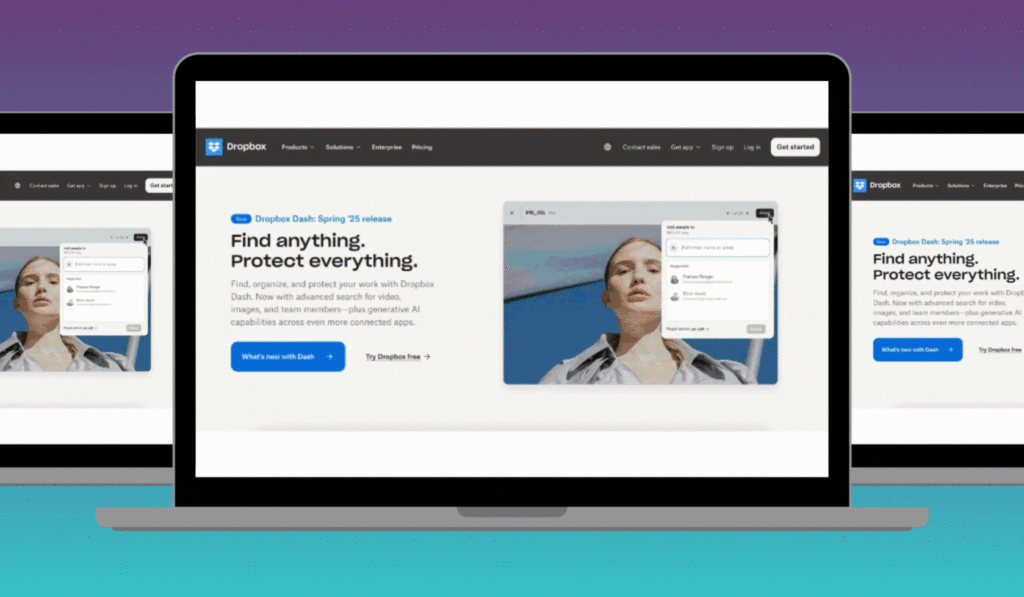
Designing a trustworthy homepage is crucial for winning over visitors the moment they land on your website. It sets the tone for their experience and impacts their decision to engage with your content, products, or services. A well-designed homepage can foster trust, encouraging visitors to explore further and ultimately, convert. In this article, we’ll uncover the secrets to creating a homepage that not only looks great but also builds trust instantly.
How to Design a Trustworthy Homepage
Creating a homepage that instantly builds trust involves understanding what visitors are looking for and providing it in a clear, accessible way. From the layout to the content, every element plays a role in establishing credibility. We will delve into practical tips that help you convey trustworthiness through design, content, and user experience. Whether you’re looking to overhaul your existing homepage or starting from scratch, these insights will guide you in making informed decisions.
Table of Contents
- Understanding Your Audience
- Prioritizing Clarity and Simplicity
- Showcasing Testimonials and Reviews
- Featuring Trust Seals and Certifications
- Optimizing Page Speed and Mobile Friendliness
- Leveraging High-Quality Images and Videos
- Creating Engaging and Relevant Content
- Designing with an Eye for Aesthetics
- Ensuring Easy Navigation
- Displaying Clear Contact Information
- Offering Social Proof
- Highlighting Your Unique Selling Proposition
- Designing a Trustworthy Homepage: Wrap-Up
Understanding Your Audience

Knowing who visits your site is the foundation of designing a trustworthy homepage. It’s about aligning your design and content with the expectations, needs, and preferences of your target audience. Here are three steps to get you started:
- Identify Your Primary Visitors: Are they busy professionals seeking quick answers, or tech-savvy users looking for detailed technical information?
- Analyze Their Behavior: Utilize tools like Google Analytics to understand how visitors interact with your site. Which pages do they visit? How long do they stay?
- Collect Feedback: Direct feedback from user surveys can provide invaluable insights into what your audience values in a website.
Understanding your audience helps in crafting a homepage that resonates with them, thus laying a strong foundation for building trust.
Prioritizing Clarity and Simplicity
Your homepage’s design should reflect clarity and simplicity to build immediate trust. A cluttered or complicated website can overwhelm visitors, pushing them away. Here’s how to keep it clear and simple:
- Use Clear Headings: Headings should guide visitors through your site, making it easy to understand at a glance.
- Simplify Navigation: Make it effortless for users to find what they’re looking for with a straightforward menu.
- Streamline Content: Only present the most important information upfront. Too much text can be daunting.
Remember, a clean design with plenty of white space enhances readability and directs focus to the most important content.
Showcasing Testimonials and Reviews
Testimonials and reviews are powerful tools for building trust. They serve as social proof, showing potential customers that others have had positive experiences with your brand. To make the most out of them:
Choose Wisely
Not all testimonials are created equal. Select those that speak to the concerns and desires of your target audience. Look for stories and results that mirror what your potential customers are seeking.
Make Them Visible
Don’t hide your testimonials on a separate page that visitors might never see. Instead, integrate them into your homepage, perhaps using a sliding gallery or a dedicated section near the top.
By strategically showcasing testimonials and reviews, you reassure visitors of your credibility and the quality of your offerings.
Featuring Trust Seals and Certifications
Trust seals and certifications can have a significant impact on the perceived trustworthiness of your homepage. These symbols of verification and quality assurance tell visitors that your website is secure and your business is credibly recognized.
Here’s a tip: Position these seals prominently, but also ensure they don’t overshadow your content or create clutter. Ideally, they should blend seamlessly with the design, offering reassurance without distraction.
Optimizing Page Speed and Mobile Friendliness

In an age where patience is thin, and the majority of web browsing occurs on mobile devices, page speed, and mobile friendliness are non-negotiable for building trust. A slow-loading site or one that’s hard to navigate on a smartphone is a fast track to losing visitors. Consider the following:
- Optimize Images: Large images can dramatically slow down your site. Use image compression tools to reduce file sizes without sacrificing quality.
- Minimize HTTP Requests: Each piece of your webpage requires a separate HTTP request. Simplify your design and reduce the number of elements to speed up loading times.
- Responsive Design: Ensure your website automatically adjusts to fit the screen of any device, be it a laptop, tablet, or smartphone.
These technical aspects play a crucial role in the first impression your website makes. A smooth, quick, and accessible homepage signals professionalism and care, boosting visitors’ trust from the get-go.
Leveraging High-Quality Images and Videos
The saying “a picture is worth a thousand words” holds true in the context of your website’s homepage. High-quality images and videos can convey your message quickly and powerfully, evoking emotions and connections that text alone cannot achieve. But remember, quality is key—blurry or low-resolution media can do more harm than good. Align visual content with your brand and ensure it serves a purpose, whether it’s to showcase your products, team, or brand values.
Creating Engaging and Relevant Content
Engaging and relevant content not only attracts visitors but also keeps them on your page. It is essential for building trust. Here’s how:
Stay True to Your Brand Voice
Consistency in your messaging reinforces your brand’s identity. Whether your tone is professional, friendly, or quirky, make sure it shines through in every sentence.
Answer Common Questions
Anticipate what visitors want to know. Include FAQs, how-to guides, or short explainer videos that provide valuable insights.
Content that resonates with your audience demonstrates understanding and builds a strong foundation of trust.
Designing with an Eye for Aesthetics
The visual appeal of your homepage cannot be overstated. Aesthetic design invites visitors in and encourages them to stay longer. Achieve this by:
- Choosing a Harmonious Color Scheme: Colors evoke emotions. Select a palette that reflects your brand and has universal appeal.
- Employing Typography Strategically: Fonts convey personality. Use them to your advantage, but keep readability in mind.
- Spacing Content Effectively: Proper use of space around elements can significantly increase content digestibility.
Remember, your homepage’s look is your first impression. Make it count.
Ensuring Easy Navigation
Complex or confusing navigation can frustrate visitors and erode trust. Ensure your site’s navigation is intuitive by:
- Keeping menu items minimal and straightforward.
- Using common terms for menu options to avoid confusion.
- Organizing content logically, making it easy for users to predict where they’ll find information.
This makes your website feel welcoming and easy to explore, enhancing the overall user experience.
Displaying Clear Contact Information
Visible and accessible contact information reassures visitors that they can reach out if needed. Make sure your contact details are easy to find, ideally in the header or footer of every page. Include multiple contact methods, such as phone, email, and a contact form, catering to different preferences. This openness fosters trust and encourages engagement.
Offering Social Proof
In addition to testimonials, showcasing your presence on social media platforms can further boost trust. Link to your active social media profiles and display a feed of recent posts or reviews. Seeing real-time engagement proves your business is active, current, and connected to its audience.
Highlighting Your Unique Selling Proposition
What makes you stand out from the competition? Your homepage should answer this question unequivocally. Highlight your unique selling proposition (USP) clearly and prominently. Whether it’s exceptional customer service, innovative solutions, or something else, make sure it’s front and center. This clarity not only builds trust but also differentiates you in a crowded market.
Designing a Trustworthy Homepage: Wrap-Up
Designing a trustworthy homepage means going beyond aesthetics. It involves creating an experience that resonates with visitors from the moment they land on your site. Trust is built on clarity, credibility, connection, and consistency. By focusing on these core elements, you establish a solid foundation that invites engagement, fosters relationships, and drives conversions.
Remember, trust is not built overnight. It’s the result of thoughtful design decisions and a deep understanding of your audience’s needs. Apply these principles to your homepage design and watch as visitors turn into loyal customers.

Hello, I am Sajid, I have been working & writing for the Gibson team for over 4-years now. I help with keyword research, meta data insertion, content creation, and getting the project to the finish line. I also manage, organize, and publish helpful articles.