


Understanding website design ROI is crucial for businesses aiming to optimize their online investments. This article breaks down how to measure the effectiveness and returns from your website design, guiding you towards higher profitability. Whether you’re redesigning your site or starting fresh, knowing your return on investment (ROI) can make a significant difference.
How to Calculate Website Design ROI
Calculating the ROI of your website design involves several key metrics. These include lead generation, conversion rates, and the overall impact on your sales. In this section, we’ll explore the specific steps and formulas necessary to determine your website’s ROI, helping you to see the clear picture of what your investment is returning.
Table of Contents
- Understanding Website Design ROI
- The Importance of Effective Website Design
- Key Metrics to Track for Website Design ROI
- Analyzing Data to Improve Website ROI
- ROI Case Studies in Website Design
- Tools and Resources for Measuring Website ROI
- Frequently Asked Questions About Website Design ROI
- Conclusion: Maximizing Your Website Design Investment
Understanding Website Design ROI

At its core, Website Design ROI measures the return on investment from all the funds poured into creating and maintaining your website. It’s not just about having a sleek appearance; it’s about how well your site converts visitors into customers and enhances your business’s bottom line.
Firstly, to truly understand your ROI, you must consider the initial and ongoing costs versus the profits generated directly from your website. This includes design expenses, hosting fees, ongoing maintenance, and any digital marketing efforts directly tied to your site.
Calculating Basic ROI
The formula for ROI is straightforward:
ROI = (Net Profit / Cost of Investment) x 100
For website ROI, your ‘Net Profit’ would come from leads or sales generated through the site minus the total cost incurred to develop and run the website.
The Importance of Effective Website Design

An effective website design is essential not only for aesthetics but also for functionality. Key factors such as navigation, content relevancy, and loading speed all play a critical role in converting visitors into paying customers. Here’s how a well-thought-out design impacts your business:
- User Experience (UX): A smooth, intuitive user interface increases user satisfaction and retention rates.
- SEO Benefits: Optimized design elements improve search engine rankings.
- Brand Perception: Professional designs foster trust and credibility in your brand.
Remember, every element of your website should serve a purpose toward achieving your business goals. Neglecting this can lead to a beautiful site that, unfortunately, fails to convert.
Key Metrics to Track for Website Design ROI

Measuring the ROI of your website design requires tracking specific metrics that reflect user interaction and satisfaction. Here’s a breakdown of what you should be monitoring:
- Traffic Sources: Understanding where your visitors come from (organic search, referrals, direct visits) can help you refine SEO and content strategies.
- Bounce Rate: A high bounce rate may indicate that your site does not immediately engage visitors, which could be due to design issues.
- Conversion Rates: The percentage of visitors who complete a desired action, such as filling out a contact form or making a purchase.
- Average Session Duration: How long visitors stay on your site, reflecting engagement and interest.
Effect of Mobile Responsiveness
In today’s digital age, mobile responsiveness is a crucial part of website design. Sites optimized for mobile devices enhance user experience and potentially boost your SEO rankings. Google prioritizes mobile-friendly websites, which can significantly influence your organic search traffic and, by extension, your ROI.
Analyzing Data to Improve Website ROI
Analyzing the data collected through the metrics mentioned above can provide actionable insights that drive improvements and increase ROI. Highlighting key performance indicators (KPIs) will point you in the right direction toward making informed adjustments.
For instance, if analytics reveal that a significant number of visitors are abandoning their carts, it might indicate problems with the checkout process on your site. Similarly, a high bounce rate on your homepage could suggest that your first impression isn’t compelling enough or that your page load speeds are slow.
Tip: Use tools like Google Analytics, Heatmaps, and A/B testing to gather and analyze data. These tools can help you see where your design aligns with user needs and where it falls short.
ROI Case Studies in Website Design
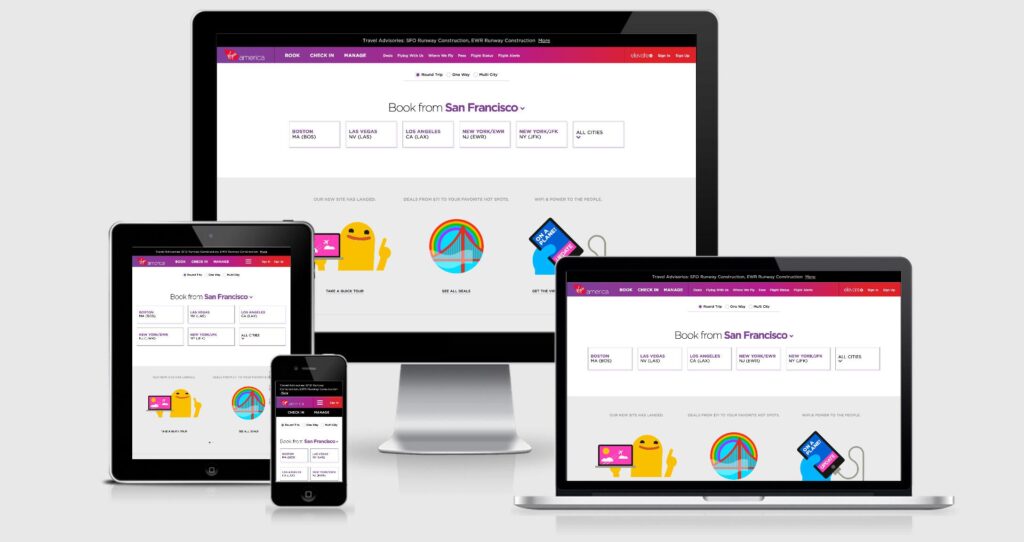
Reviewing real-life case studies of successful website redesigns can be incredibly insightful. By examining these examples, you can identify strategies that might work well for your site. Below are brief overviews of a few impactful redesigns:
Case Study 1: A retail company revamped its website to focus on mobile users, resulting in a 30% increase in mobile sales within the first three months post-launch.
Case Study 2: An IT service provider improved its site navigation and integrated better call-to-action buttons, leading to a 25% uplift in consultation requests.
These cases illustrate the potential positive outcomes of investing in thoughtful, user-focused website design. They show how strategic design changes can directly enhance your site’s profitability.
Tools and Resources for Measuring Website ROI
Utilizing the right tools can significantly enhance your ability to measure and understand the ROI of your website design. Here’s a selection of tools that can help:
- Google Analytics: For tracking all forms of traffic and user behavior on your site.
- Hotjar: Offers heatmaps and user session recordings to analyze user interaction.
- Optimizely: Great for A/B testing different elements of your website to see what performs best.
- SEMrush: Helps in analyzing your SEO efforts and tracking keyword rankings that impact your site traffic.
These tools provide quantitative and qualitative data, essential for making informed decisions about your website’s design and functionality.
Frequently Asked Questions About Website Design ROI
To further help you understand website design ROI, here are answers to some commonly asked questions:
How often should I update my website design to ensure optimal ROI?
Industry standards suggest a redesign or significant update every 2-3 years, or whenever your user engagement metrics start to decline significantly. However, continuous improvements based on user feedback and analytics should be an ongoing process.
What is considered a good ROI for a website redesign?
A “good” ROI can vary depending on industry and initial investment, but an ROI of at least 100% is often regarded as effective. This means you are doubling the money you have initially invested in your redesign.
**Can the use of high-quality images and videos on my site improve ROI?
Yes, incorporating high-quality visual content can significantly enhance user engagement, thereby potentially increasing your ROI. Visual elements help to better convey your message and keep visitors longer on your site, which can lead to higher conversion rates.
Conclusion: Maximizing Your Website Design Investment
Measuring and maximizing the ROI of your website design are critical components of successful digital strategy. By focusing on user experience, continually monitoring key metrics, and utilizing the right tools for analysis and improvement, businesses can make data-driven decisions that boost profitability.
Always keep in mind that your website is often the first point of contact between your business and potential customers. Therefore, optimal investment in its design and functionality is crucial. Regular updates based on sound analytics not only help maintain but can also improve the ROI over time, ensuring your website remains an effective, profit-driving tool.
Remember:
An effective website is not static; it is dynamic, constantly evolving based on user feedback and business strategy. Thus, continually enhancing your website can lead to sustained improvements in your ROI.
Final Thought: Invest in your website wisely, measure its effectiveness meticulously, and adapt strategies responsively to maximize your digital asset’s profitability and sustainability.

Hello, I am Sajid, I have been working & writing for the Gibson team for over 4-years now. I help with keyword research, meta data insertion, content creation, and getting the project to the finish line. I also manage, organize, and publish helpful articles.