


Design tweaks for conversions can feel like looking for a needle in a haystack. Yet, these small changes often lead to significant improvements in converting clicks into customers. With the right adjustments, your website can become more than just a digital brochure; it can transform into a conversion machine. In this guide, we’ll explore simple but powerful design modifications that can boost your website’s conversion rates dramatically.
Turning Clicks into Customers with Simple Design Tweaks
In the realm of digital marketing, first impressions are crucial. The look and feel of your website can either invite users in or push them away. But aesthetics aside, how your site design influences user behavior and decision-making is what really turns browsers into buyers. Let’s dive into simple yet effective design tweaks that are sure to increase your conversion rates.
Table of Contents
- Understanding Your Audience
- Optimizing Site Speed for Better Conversion
- Using Colors to Your Advantage: Psychology in Web Design
- Creating Clear Call-to-Action Buttons
- The Importance of Simplicity in Design
- Mobile Optimization: A Must for Conversions
- Leveraging Social Proof for Credibility
- Incorporating High-Quality Images and Videos
- Ensuring Easy Navigation for a Frictionless Experience
- Boosting Confidence with Trust Signals
- Continuous Improvement: Testing and Analytics
Understanding Your Audience
Before diving into any design tweaks, it’s crucial to know who you’re designing for. Your website should cater to your audience’s preferences, needs, and challenges. Start by creating detailed user personas. These should include demographic information, interests, and online behaviors. Armed with this knowledge, you can make informed decisions about every aspect of your site’s design, from the color scheme to the content.
Key Components of User Personas:
- Demographics: Age, occupation, gender
- Interests: Hobbies, lifestyle choices
- Online behavior: Preferred platforms, online shopping habits
Remember, the goal is to make your visitors feel understood and valued. A website tailored to your audience’s expectations is more likely to convert them into customers.
Optimizing Site Speed for Better Conversion
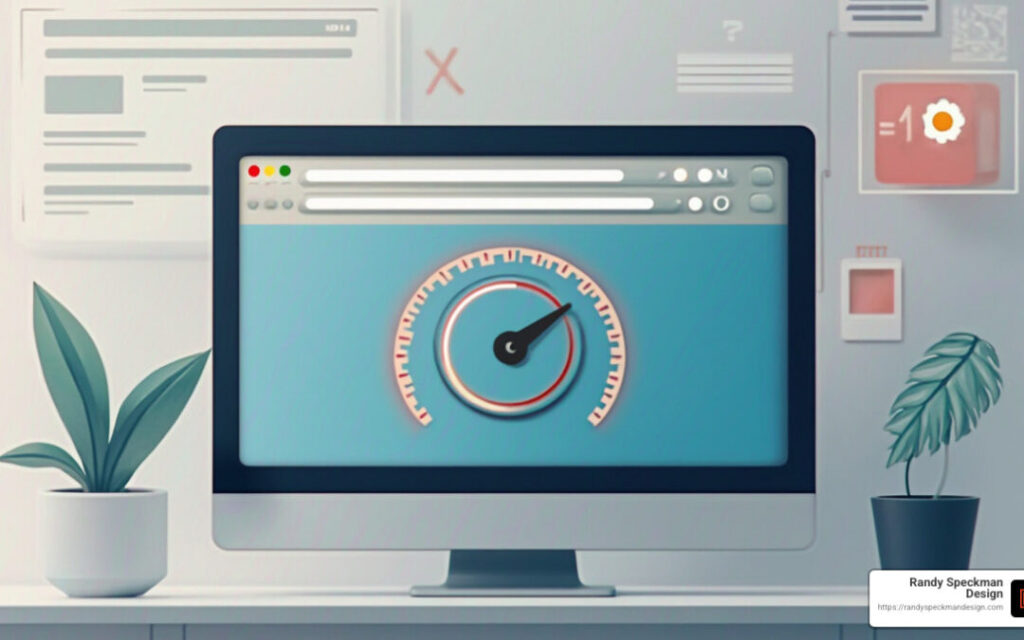
One often-overlooked design tweak that can significantly boost conversions is optimizing your site’s speed. A delay of just a few seconds in page load time can lead to a substantial increase in page abandonment. Tools like Google’s PageSpeed Insights can offer valuable insights into your site’s performance and practical suggestions for improvement.
Quick Tips for Speed Optimization:
- Compress images and videos to reduce their load time without compromising quality.
- Minimize HTTP requests by reducing the number of elements on each page.
- Use browser caching to help return visitors load your pages faster.
Improving site speed is not just about keeping visitors on your site. It’s also a critical factor in SEO ranking, helping your site show up higher in search engine results.
Using Colors to Your Advantage: Psychology in Web Design
The psychology of color is a powerful tool in designing for conversions. Different colors can evoke different emotions, actions, and reactions in users. For instance, blue often instills a sense of trust and security, while orange is known for creating a sense of urgency, often used in call-to-action (CTA) buttons. Understanding the emotional impact of colors can help you guide visitors towards taking action.
It’s not just about the colors you choose; it’s also about contrast and readability. Ensure your text stands out against background colors, making it easy for users to read and take action.
Creating Clear Call-to-Action Buttons
A compelling call-to-action (CTA) is more than just a button on your page. It’s the key to converting visitors into leads or customers. Your CTA buttons should be eye-catching and encourage users to take the next step. This involves thoughtful design considerations, such as button size, color, and placement, as well as the message itself.
Examples of Effective CTAs:
- “Add to Cart” – Simple, direct, and effective for e-commerce sites.
- “Learn More” – Perfect for drawing users into reading more about your services or product features.
- “Get Started” – Inviting users to begin a journey or project.
Test different versions of your CTAs to see which ones perform the best. Split testing can reveal valuable insights into user preferences and behaviors.
The Importance of Simplicity in Design
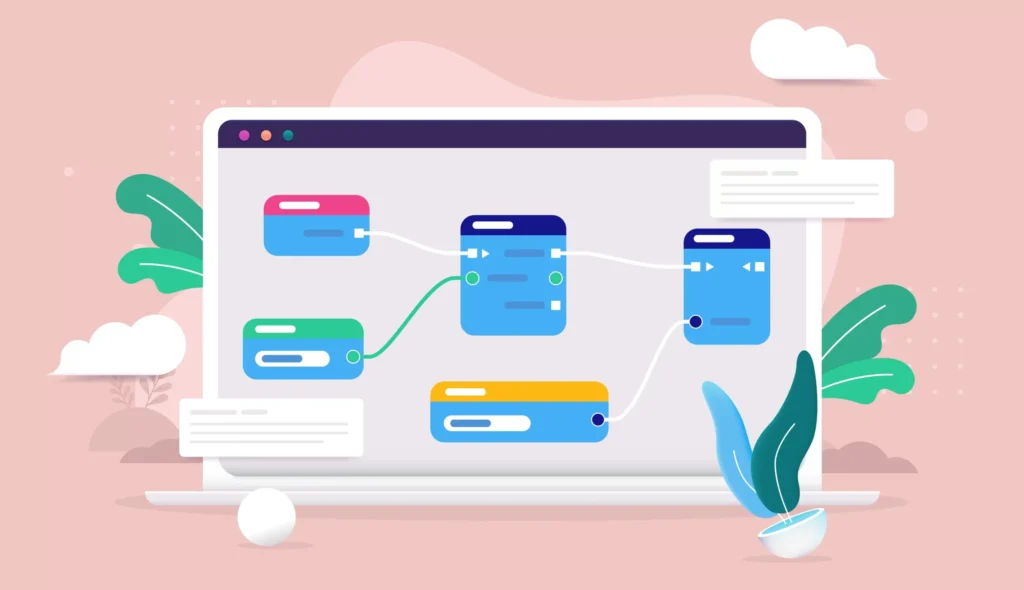
In today’s fast-paced digital world, simplicity is king. A cluttered, overly complex website can overwhelm visitors, leading them to leave rather than convert. Focus on clean, straightforward design that highlights your content and guides visitors towards your goals.
Key principles to embrace:
- Minimalistic design: Less is more when it comes to modern web design.
- Whitespace: Also known as negative space, it helps reduce clutter and increase readability.
- Clear navigation: Ensure users can easily find what they’re looking for with intuitive site navigation.
By prioritizing simplicity, you not only enhance user experience but also improve the effectiveness of your site’s conversion strategy.
Mobile Optimization: A Must for Conversions
In a world where more than half of web traffic comes from mobile devices, optimizing your website for mobile is no longer optional; it’s essential. A mobile-friendly site ensures that users have a seamless experience, regardless of the device they use. This includes fast loading times, responsive design, and accessible navigation. Google also prioritizes mobile-friendly websites in its search results, making mobile optimization a critical component of your SEO strategy.
Test your website’s mobile compatibility with Google’s Mobile-Friendly Test to see where improvements can be made. It’s a simple step that can lead to significant gains in conversion rates.
Leveraging Social Proof for Credibility

Social proof, such as testimonials, reviews, and case studies, can significantly impact your conversion rates. It adds credibility to your site, showing potential customers that others have had positive experiences with your services or products. Include social proof strategically on your site, especially near CTAs, to reassure visitors and encourage them to take action.
Types of Social Proof to Include:
- Customer testimonials
- User reviews and ratings
- Case studies showcasing success stories
- Trust badges from reputable organizations
Incorporating High-Quality Images and Videos
Visuals play a crucial role in website conversions. High-quality images and videos can grab attention, convey your message quickly, and demonstrate your product’s value. They also break up text, making your content more digestible and engaging. Ensure your visuals align with your brand and are optimized for fast loading to avoid negatively impacting your site’s speed.
Remember, authentic photos often outperform stock images. Consider investing in professional photography that represents your brand and products genuinely and appealingly.
Ensuring Easy Navigation for a Frictionless Experience
Complex or confusing navigation can be a major barrier to conversion. Your website should be designed with the user journey in mind, guiding them smoothly from initial interest to final action. A well-structured menu, logical page hierarchy, and clear pathways to important information are essential. Consider using bread crumbs on more detailed pages to help users keep track of their location on your site.
A “floating” navigation bar or menu can also enhance usability by ensuring that users always have easy access to navigation, no matter how far down a page they scroll.
Boosting Confidence with Trust Signals

Trust signals can significantly enhance user confidence in your brand and products. These include displaying secure payment badges, highlighting money-back guarantees, and showcasing memberships with respected industry bodies. Privacy policies and clear contact information also play a vital role in building trust, reassuring visitors that their data is safe and help is readily available if needed.
Continuous Improvement: Testing and Analytics
Last but not least, achieving and maintaining high conversion rates is an ongoing process that requires regular monitoring and adjustment. Utilize A/B testing to compare different versions of your website’s elements, such as CTAs, images, and headlines, to see what works best. Google Analytics is an invaluable tool for tracking user behavior on your site, helping you identify both strengths and areas for improvement.
Key Metrics to Monitor:
- Bounce rate: How quickly are visitors leaving your site?
- Conversion rate: What percentage of visitors are taking the desired action?
- Page views and time on site: Are users engaged with your content?
By regularly analyzing these metrics and testing different strategies, you can continually refine your website to better meet the needs of your audience and drive conversions.
In conclusion, turning clicks into customers is about more than just attracting traffic—it’s about creating an engaging, easy-to-use, and trustworthy online experience. By implementing the simple design tweaks discussed in this article, you can enhance your website’s conversion rates and, ultimately, grow your business.

Hello, I am Sajid, I have been working & writing for the Gibson team for over 4-years now. I help with keyword research, meta data insertion, content creation, and getting the project to the finish line. I also manage, organize, and publish helpful articles.