


Design isn’t just about making things look good. It plays a pivotal role in building credibility for your brand, an aspect crucial to your success. In a world where first impressions matter more than ever, the design of your website, logo, and even social media posts speaks volumes about your business. It’s not merely about aesthetics; it’s about conveying your brand’s values, story, and professionalism to your audience. Let’s dive into why great design is foundational to building credibility and, by extension, ensuring the success of your brand.
Why Design Matters in Building Brand Credibility
At its core, design serves as the visual language of your brand. It goes beyond being pleasing to the eye; it’s about communication. Good design can convey trust, quality, and dependability, all of which are key to establishing a strong relationship with your customers. It’s about making a promise to your audience about what they can expect from your products or services, and then delivering on that promise. This section explores the connection between design and perceived brand credibility.
Table of Contents
- The Role of First Impressions
- Design and User Experience
- Storytelling Through Design
- Consistency is Key
- Design and Consumer Trust
- The Psychology of Color in Design
- Measuring the Impact of Good Design
- Case Studies: Success Stories
- Getting Started with Credible Design
- Conclusion: The Value of Design in Credibility
The Role of First Impressions
First impressions are formidable. Research suggests that it takes only a fraction of a second for users to form an opinion about your website. This opinion largely stems from the site’s design. A visually appealing, well-organized website instills confidence in your audience. It signals that your business is professional and attentive to details. Consider your website’s design as the digital handshake between you and your potential clients. Make it count.
Design and User Experience

User Experience (UX) is at the heart of good design. It’s not just about looks; it’s how the design works. A well-designed website guides visitors effortlessly through your content, leading them exactly where you want them to go. Here are some key components to focus on:
- Navigation: Make it intuitive and simple. Complex navigation can lead to frustration and high bounce rates.
- Load Time: The faster, the better. If your site takes too long to load, users will likely leave before they’ve even seen your design.
- Mobile Responsiveness: With more people using mobile devices to access the internet, your site must perform well on all screen sizes.
Improving these areas can significantly enhance user satisfaction and credibility.
Storytelling Through Design
Every brand has a story. Design is a powerful tool for telling that story without saying a word. The colors, typography, images, and overall aesthetic of your brand should work together to convey your unique message. This storytelling through design builds a deeper connection with your audience. It makes your brand memorable and can differentiate you from competitors.
Why Your Brand’s Story Matters
Your brand’s story is the heart of your business. It’s what makes you relatable and trustworthy. A compelling story, told through thoughtful design, can transform passive viewers into loyal customers. It’s about emotion, values, and identity.
Consistency is Key

Consistency in design across all your brand’s touchpoints builds familiarity and trust. Think of some of the most successful brands in the world— their design elements are unmistakable, from the website to social media, to packaging. This consistency tells your audience that you are reliable and trustworthy. Here’s what you should keep consistent:
- Color Scheme: Stick to your brand colors to reinforce identity.
- Typography: Use the same fonts or font families across all materials.
- Imagery Style: Whether your photos are candid shots or highly stylized images, keep the style the same.
Maintaining these elements consistently can contribute significantly to brand credibility and recognition.
Design and Consumer Trust
There’s a direct link between design and how much consumers trust a brand. A sleek, professional design can make your business appear more credible and authoritative in your industry. Conversely, an outdated or clunky design may signal to potential customers that your business is outdated or not serious. Here are some areas where design can impact consumer trust:
- Website: A modern, updated website with a clean layout and easy navigation can make a big difference in winning over consumers.
- Social Media: Consistent, high-quality visual content on social media platforms reinforces your brand’s professionalism and attention to detail.
- Product Packaging: The design of your product packaging can influence purchasing decisions and perceived value.
Investing in quality design across these areas not only enhances your brand’s credibility but can also positively influence buying behavior.
The Psychology of Color in Design
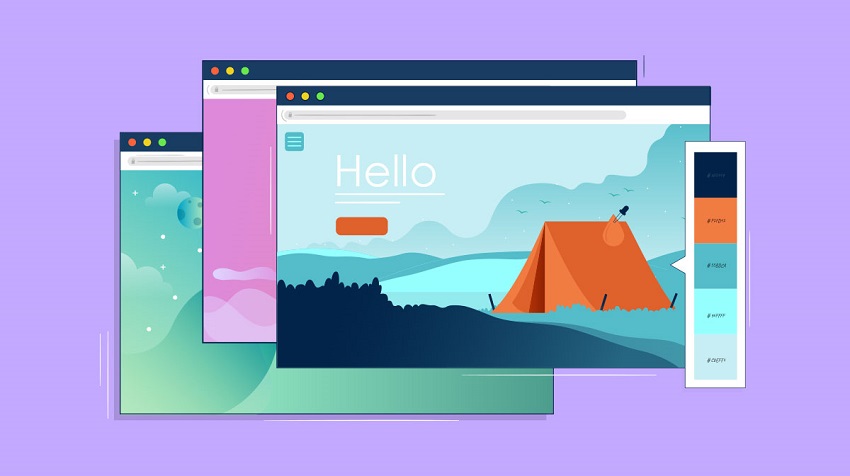
Color is a powerful communication tool and can be instrumental in conveying messages and evoking responses. Each color has different associations and can significantly affect perception and behavior. Here’s a quick guide:
Red: Evokes excitement, passion, and urgency.
Blue: Suggests trustworthiness, security, and calmness.
Green: Associated with health, tranquility, and freshness.
Yellow: Signals optimism, clarity, and warmth.
Choosing the right colors for your brand’s design can bolster your message and enhance credibility. Consider the emotions and actions you want to evoke in your audience when selecting your color palette.
Measuring the Impact of Good Design
How do you know if your design is effectively building credibility? The answer lies in analytics and feedback. Keep an eye on metrics like time on site, bounce rate, and conversion rates. A well-designed site should see higher engagement and conversion. Asking for direct feedback through surveys can also provide insights into how your design is perceived.
Tools and Tactics for Feedback
To gather meaningful feedback on your design, consider these approaches:
- User testing sessions
- Surveys and questionnaires
- Heatmaps to study user interaction
These methods can reveal what’s working and what’s not, allowing for continuous improvement in your design strategy.
Case Studies: Success Stories

Let’s look at real-life examples where a focus on design significantly improved brand credibility and customer trust:
- Rebranding a Local Cafe: After a complete overhaul of their visual identity and website, a cafe saw a 40% increase in online orders and a noticeable uptick in new customers.
- Website Redesign for a Non-Profit: A non-profit organization updated its website to improve navigability and appeal. The result was a 50% increase in site traffic and higher donation rates.
- Package Redesign for a Startup: A startup redesigned its product packaging to better reflect its eco-friendly values. This change led to a 30% growth in sales and received extensive media coverage.
These cases illustrate how good design directly contributes to improved performance and credibility.
Getting Started with Credible Design
Embarking on your design journey can seem daunting, but it doesn’t have to be. Start with clear goals and a strong understanding of your brand’s identity. Here are a few steps to guide the process:
- Identify your audience: Understanding who you are designing for is crucial.
- Define your brand’s story: What message do you want to convey?
- Choose your design elements wisely: Colors, typography, and imagery should reflect your brand’s identity and appeal to your target audience.
- Test and iterate: Design is a process. Be open to feedback and willing to make adjustments.
Remember, you don’t have to go at it alone. Collaborating with design professionals can bring your vision to life effectively.
Conclusion: The Value of Design in Credibility
In conclusion, great design goes far beyond aesthetics. It’s a critical component in building credibility for your brand. A strong design communicates your message, connects with your audience, and ultimately, contributes to your brand’s success. Investing in design is investing in your business’s future. Whether you’re just starting out or looking to refresh your existing brand, remember, design is where your brand’s heart beats the loudest. Make it count.
As we’ve seen, design’s impact is measurable, not just in aesthetics but in real-world results. From enhancing user experience to effectively conveying your brand’s story, the principles of good design are foundational to gaining and maintaining consumer trust. This journey may require time and effort, but the payoff in credibility and business success is undeniable. Let design be the bridge between your brand and your audience, and watch how quickly that connection can grow.

Hello, I am Sajid, I have been working & writing for the Gibson team for over 4-years now. I help with keyword research, meta data insertion, content creation, and getting the project to the finish line. I also manage, organize, and publish helpful articles.

