
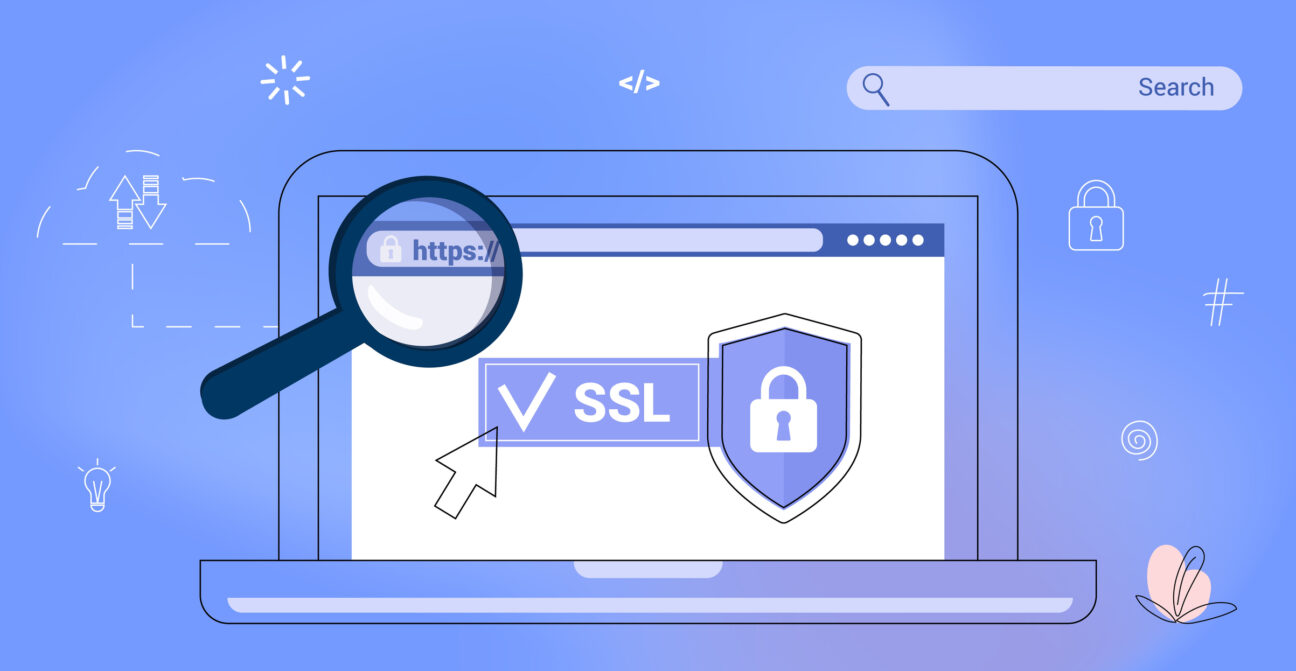
Understanding business website security is paramount in today’s digital landscape. It not only ensures safe browsing for your visitors but also protects your site’s overall health. With threats evolving every day, keeping your website secure should be a top priority for any business.
Business Website Security Essentials
In our digital age, the security of your business website can’t be overlooked. Ensuring that your site is equipped with an SSL certificate is the first step towards establishing trust with your visitors. Beyond SSL, there are numerous strategies and practices to keep your website secure and your visitors safe. Let’s explore the essentials of website security, highlight the importance of SSL, and provide actionable tips for maintaining the health of your site.
Table of Contents
- The Importance of SSL for Your Business Website
- Unveiling Site Vulnerabilities
- Implementing Strong Security Measures
- Regular Updates and Maintenance
- Educating Your Team on Website Security
- Creating a Response Plan for Security Breaches
- Leveraging Security Plugins and Tools
- The Role of Backups in Website Security
- Conducting Regular Security Audits
- Conclusion: Security as an Ongoing Commitment
The Importance of SSL for Your Business Website
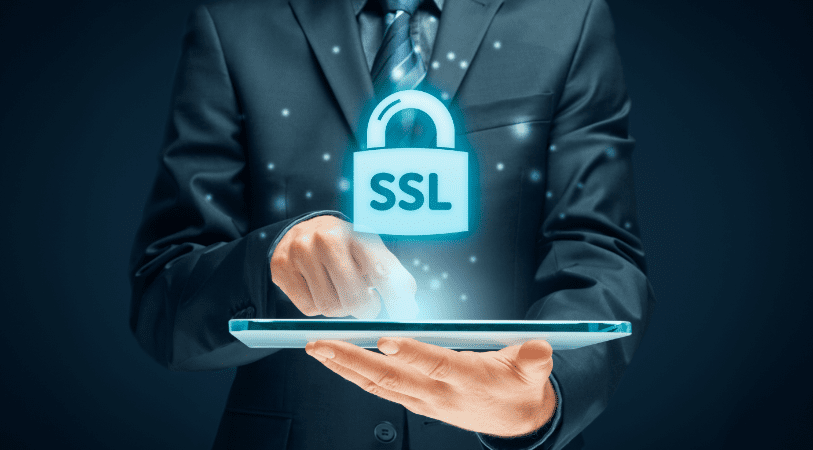
At the heart of any secure website is the SSL certificate. SSL, which stands for Secure Sockets Layer, encrypts information sent between a visitor’s browser and your website. This makes it much harder for hackers to intercept and steal data. An SSL certificate is crucial for any business website because it:
- Protects data transmissions – such as form submissions and payments.
- Boosts customer trust – by displaying security indicators like a padlock icon and “HTTPS” in your website’s address.
- Improves search engine ranking – Google gives a ranking boost to websites that are secured with an SSL certificate.
Getting an SSL certificate is the first step towards establishing a secure foundation for your website. It’s a straightforward process that can have a big impact on your website’s security and credibility.
Unveiling Site Vulnerabilities
Understanding and identifying the weaknesses in your website is crucial. Vulnerabilities can range from outdated software and plugins to weak passwords and incorrect file permissions. Regularly scanning your site can uncover these vulnerabilities, allowing you to address them before they can be exploited. Tools like Web Inspector or Sucuri SiteCheck can help in scanning your site for known vulnerabilities.
Common Vulnerabilities Include:
- Cross-Site Scripting (XSS): Where attackers inject malicious scripts into your web pages, which can affect your users directly.
- SQL Injection: Where attackers can gain access to or manipulate your database by injecting SQL commands through vulnerabilities in your website’s input fields.
- Insecure Deserialization: Where untrusted data is used to abuse the logic of an application, leading to various attacks such as executing harmful code or scripts.
Addressing these vulnerabilities often requires a multifaceted approach, including updating your content management system (CMS), using strong, unique passwords, and setting the right file permissions on your server.
Implementing Strong Security Measures
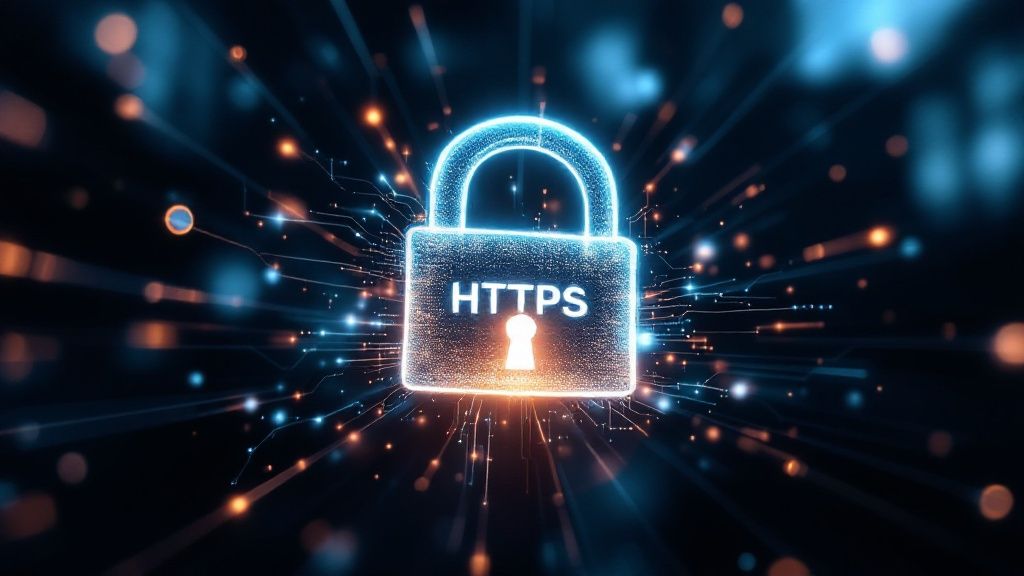
To fortify your website against attacks, you must implement robust security measures. This goes beyond installing an SSL certificate and involves a series of strategic actions:
- Use HTTPS Everywhere: Ensure every page on your site is loaded over HTTPS, not just during transactions or when users are logging in.
- Strong Password Policies: Enforce a policy of strong, unique passwords for all users and administrators. Consider using a password manager to help manage and store these securely.
- Two-Factor Authentication (2FA): Adding an extra layer of security can significantly reduce the risk of unauthorized access. 2FA requires not only a password and username but also something that only the user has on them, i.e., a piece of information only they should know or have immediately to hand – such as a physical token.
- Regular Software Updates: Keep all software, including your CMS and plugins, up to date to protect against known vulnerabilities.
Implementing these measures can greatly enhance your website’s security posture, making it much harder for attackers to compromise your site.
Regular Updates and Maintenance
One of the simplest yet most neglected aspects of website security is regular updates and maintenance. An outdated website is a vulnerable website. Cybercriminals are always on the lookout for sites that have fallen behind on their updates because they are easier targets. Therefore, it’s critical to:
- Update your CMS, plugins, and themes as soon as new versions are released.
- Remove any unused plugins or themes that could become security liabilities.
- Regularly backup your website so you can quickly restore it in case of an attack.
Remember, maintaining the health of your website is an ongoing responsibility. Regular checks and updates will help keep it secure against new threats.
Educating Your Team on Website Security
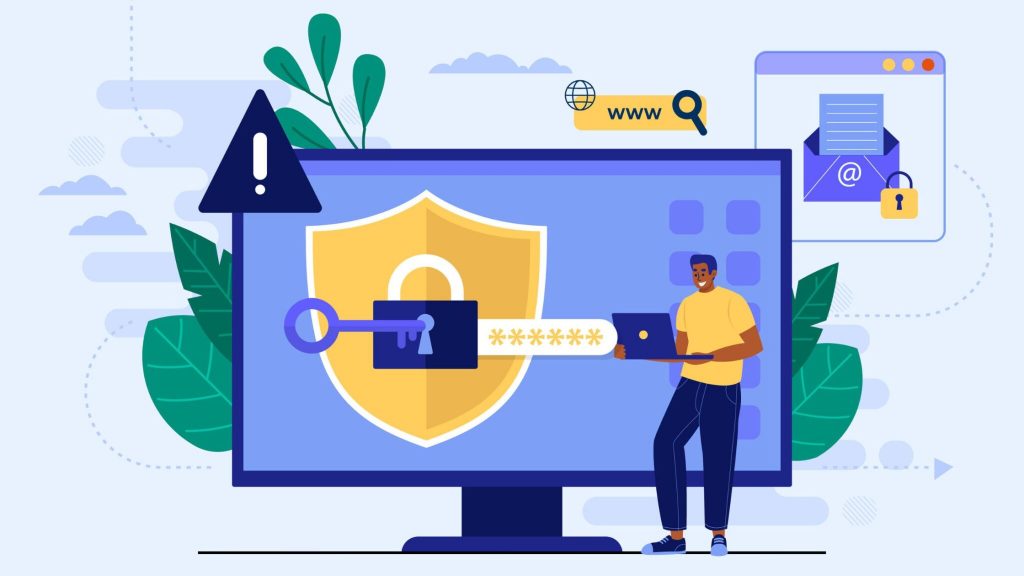
A strong website security strategy also involves your team. Educating your team about best practices and potential threats is crucial. They need to know:
- How to create and manage strong passwords.
- The importance of avoiding suspicious emails and links to prevent phishing attacks.
- Best practices for safe web browsing and data handling.
This education should not be a one-time event. Ongoing training sessions can keep security at the forefront of everyone’s minds and adapt to evolving threats. Creating a culture of security within your organization is a powerful defense against cyber threats.
Creating a Response Plan for Security Breaches
Despite your best efforts, breaches can happen. Being prepared with a response plan is essential so your team knows exactly what to do if your site comes under attack. Your plan should include:
- Immediate actions to contain and stop the breach.
- Procedures for assessing the damage and identifying what was compromised.
- Steps for notifying affected parties, which may include customers, your web host, and potentially regulatory bodies, depending on the nature of the data involved.
- A recovery plan to restore any lost data and secure the website from future attacks.
Having a detailed, actionable response plan can greatly reduce the impact of a breach, helping you manage the situation more effectively and restore trust with your users.
Leveraging Security Plugins and Tools
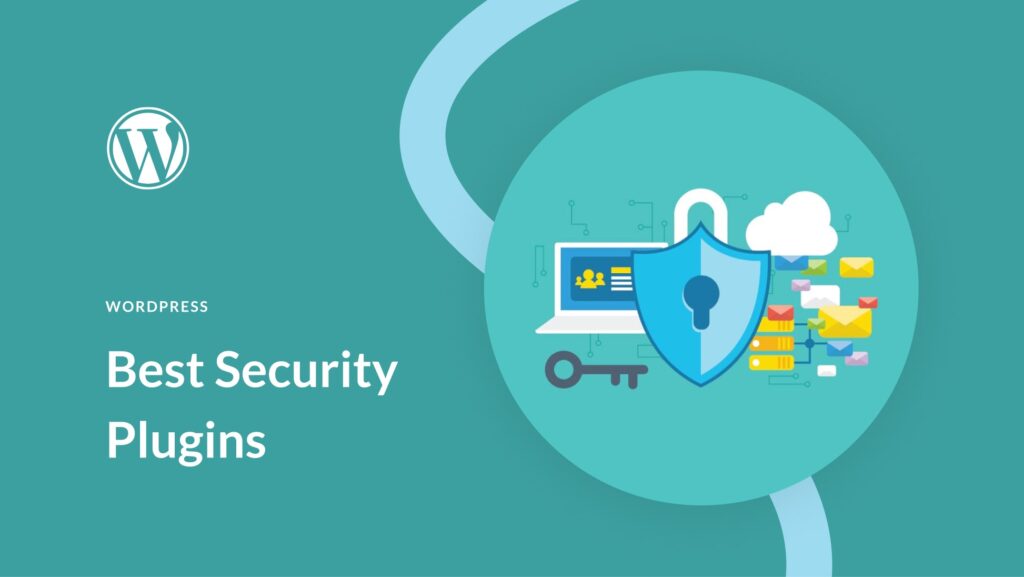
For businesses running on platforms like WordPress, security plugins can significantly bolster your website’s defenses. These tools can:
- Monitor your website for suspicious activity.
- Scan for malware and vulnerabilities.
- Block malicious traffic.
- Offer firewall protection.
It’s crucial to choose plugins that are regularly updated and maintained by reputable developers. Popular options include Sucuri Security, Wordfence, and iThemes Security.
The Role of Backups in Website Security
Regular backups are your safety net in the event of a cyberattack. They ensure that you can restore your website to its pre-attack state, minimizing downtime and data loss. Consider the following when planning your backup strategy:
- Frequency: How often you back up your website should depend on how frequently your site’s content changes. Daily backups are ideal for most businesses.
- Location: Store your backups in a secure, off-site location. This can be cloud storage, such as Amazon S3, Dropbox, or a dedicated offsite server.
- Test Restorations: Regularly test your backup files by restoring them in a controlled environment to ensure they’re functioning correctly.
Backups can’t prevent attacks, but they’re invaluable in recovering from one.
Conducting Regular Security Audits

Security audits are comprehensive reviews of your website’s security measures. They’re crucial for identifying weaknesses that might go unnoticed during day-to-day operations. Here’s what to include in your audits:
- Review of all user accounts to ensure only necessary permissions are granted.
- Analysis of website code and third-party integrations for potential vulnerabilities.
- Assessment of your hosting environment and its security measures.
- Evaluation of your response plan to ensure it’s up to date and actionable.
Conducting these audits regularly, at least once a year, will help you stay ahead of new threats and ensure your security measures are effective.
Conclusion: Security as an Ongoing Commitment
Securing your business website is not a set-it-and-forget-it task. It requires ongoing attention and a proactive stance. By implementing strong security measures, educating your team, regularly updating and maintaining your site, and preparing for the worst, you can create a resilient online presence. Remember, the goal is not just to protect your site from attacks but to build trust with your visitors. Let’s make security a cornerstone of your digital strategy, ensuring a safe and secure experience for everyone.
At GibsonVS, we understand the importance of site health and security. Our team is here to help you implement strategic security measures, ensuring that your website not only meets but exceeds industry standards. Together, let’s safeguard your digital presence and ensure the ongoing success of your business in the online world.

Hello, I am Sajid, I have been working & writing for the Gibson team for over 4-years now. I help with keyword research, meta data insertion, content creation, and getting the project to the finish line. I also manage, organize, and publish helpful articles.