


Brand story design is about more than crafting catchy slogans or writing lengthy narratives. It’s the art of visually communicating the essence of your brand, creating a deep and lasting connection with your audience. Through thoughtful design elements — colors, logos, and layouts — you can tell a compelling story that resonates and engages. This approach not only enhances your brand’s identity but also profoundly influences customer perception and loyalty.
Understanding Brand Story Design
Before diving into the specifics, it’s crucial to understand what brand story design truly entails. It’s the synchronization of visual elements that narrate your brand’s mission, values, and personality. This foundation sets the stage for all communications and is pivotal in building brand recognition and trust.
Table of Contents
- Why Brand Story Design is Critical
- Key Elements of Brand Story Design
- Using Colors to Tell Your Story
- Importance of Logos in Brand Storytelling
- Layout and Its Impact on Brand Perception
- Choosing the Right Fonts
- Integrating Imagery with Brand Values
- Case Studies in Successful Brand Story Design
- How to Evaluate Your Current Brand Design
- Steps to Revitalize Your Brand Story Design
Why Brand Story Design is Critical

Brand story design isn’t just a fancy term for marketers. It’s essential for creating an emotional connection with your audience. This connection is vital, as it impacts how consumers perceive your products or services. A strong visual brand story can:
- Enhance recognition
- Build customer loyalty
- Influence purchasing decisions
An effective brand design elevates a brand from being just another option to becoming a preferred choice. Remember, people buy stories, not just products. They consume the emotional and psychological dimensions that these stories bring to their lives.
Key Elements of Brand Story Design
The journey to telling your brand’s story through design involves multiple steps. Knowing these elements can help you craft a design that not only looks good but also connects and communicates effectively:
Consistency
Maintaining consistency across all your design elements ensures that your brand is easily recognizable and reliable. Whether it’s your website, your packaging, or your advertising, your design elements should align with the same core themes.
Vibrancy
Incorporating vibrancy into your brand design helps capture attention. This doesn’t mean you should overwhelm with brightness, but rather use compelling visuals to make people stop and look.
Emotion
How does your brand make people feel? Sad, happy, empowered? Use visuals that evoke these emotions intentionally to strengthen your brand’s connection with the audience.
Using Colors to Tell Your Story

Color is a powerful tool in brand story design. It can set the mood, provoke emotions, and even influence buying decisions. Here’s what different colors typically represent:
| Color | Emotion |
|---|---|
| Blue | Trust and security |
| Red | Energy and urgency |
| Green | Health and tranquility |
| Purple | Luxury and wisdom |
Choosing the right colors for your brand isn’t just about aesthetics; it’s about understanding the psychological cues that colors evoke.
Importance of Logos in Brand Storytelling
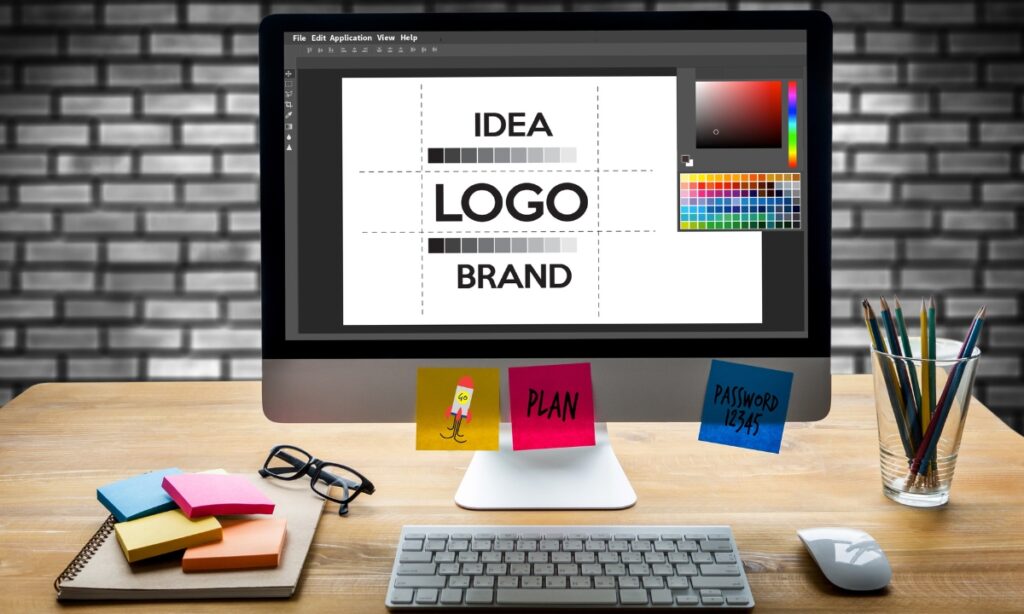
A logo is often the first impression people have of your brand, making its design critically important. It’s more than just an image; it’s a visual summation of your brand’s story. Consider the following when designing your logo:
- Simplicity: A simple logo can be easily recognized and remembered.
- Memorability: An effective logo should be memorable, encouraging recall.
- Relevance: Your logo should be appropriate for your brand’s industry and target audience.
Your logo should serve as a central piece of your brand story, embodying your values and mission without saying a word.
Layout and Its Impact on Brand Perception
The layout of your brand’s visual components plays a crucial role in storytelling. A well-structured layout can guide viewers through your message seamlessly and effectively. Here are some tips to enhance your brand’s layout:
- Use clear, concise spacing to differentiate between elements.
- Employ guide lines that lead the eye in a natural flow.
- Highlight important elements through scale and contrast.
Think of your brand’s layout as the framework that holds your story together. Each element should be placed purposely to contribute meaningfully to the overall narrative.
Choosing the Right Fonts
Fonts carry the voice of your brand’s personality. The right typeface can convey seriousness, whimsy, professionalism, or warmth. Here’s how to select fonts that reinforce your brand’s identity:
Legibility: Above all, your chosen font must be easy to read across different mediums and sizes. Complicated fonts can detract from your message.
Association: Consider the industry-specific connotations of font styles. Serif fonts might denote tradition and reliability, suitable for law firms or financial services, while sans-serif fonts could suggest modernity and approachability, perfect for tech startups or personal blogs.
Remember, combining fonts can effectively highlight aspects of your narrative, but keep the combinations limited to maintain cohesion and avoid visual clutter.
Integrating Imagery with Brand Values

Images are storytellers too. They should align with the values and essence of your brand. When choosing images, consider the following:
- Relevance: Ensure that images are appropriate for the context of your content.
- Quality: High-quality images reflect a high-quality brand.
- Consistency: Keep a consistent style and filter across all images to maintain a unified brand image.
Ultimately, each image should feel like a continuation of your brand story, further immersing your audience in your narrative landscape.
Case Studies in Successful Brand Story Design
Learning from the best can provide insights and inspiration. Consider how these brands effectively used design to tell their story:
Apple: Apple’s clean, minimalistic design and focused imagery echo its values of innovation and simplicity.
Nike: Nike uses dynamic images and bold font choices to convey motion and ambition, resonating with athletes and active consumers everywhere.
Examining these brands shows how cohesive design elements can create a powerful and memorable brand presence.
How to Evaluate Your Current Brand Design

It’s essential to regularly assess your brand design to ensure it continues to resonate and communicate effectively. Consider conducting surveys, gathering feedback, and reviewing your brand’s performance metrics. Questions to ask might include:
- Does our design reflect our current mission and values?
- Is our visual identity consistent across all platforms?
- Do changes in customer perceptions require a design update?
Based on the feedback, be ready to refine and evolve your designs to keep your brand fresh and relevant.
Steps to Revitalize Your Brand Story Design
Should you find your brand story design lacking, consider these steps to inject new life:
- Revisit Your Core Brand Values: Ensure your design aligns with your current mission and values, which may evolve over time.
- Explore New Trends: Look at current design trends that might enhance and modernize your brand identity.
- Engage Professionals: Sometimes, bringing in fresh eyes can offer new perspectives that revitalize your brand.
Remember, a brand’s design is never static. It should grow and evolve as your business and the marketplace change.
In conclusion, building a brand story through design involves more than aesthetic decisions. It’s about creating a cohesive, resonant narrative that captures the essence of your brand and makes a lasting impression on your audience. Whether you’re starting a new brand or revamping an existing one, thoughtful design can be your most powerful ally.

Hello, I am Sajid, I have been working & writing for the Gibson team for over 4-years now. I help with keyword research, meta data insertion, content creation, and getting the project to the finish line. I also manage, organize, and publish helpful articles.